
You pay long-term liabilities over a period that is longer than one year. For example, a small business loan is a liability that can help you grow your business. But as you pay off the loan, you can use the borrowed money to improve and expand your business. Pension obligations are crucial to understanding a company’s commitment to its employees and the potential strain on future resources. Accurately accounting for pension obligations can be complex and may require actuarial valuations to determine the present value of future obligations.
Liability vs Expense
CapEx appears on the balance sheet, while regular expenses affect the income expenses. Managing business expenses is key to improving net income, or earnings—in other words, your company’s bottom line. Whether it’s a recurring software subscription or a credit card charge for travel, knowing how and where money is spent helps you stay in control. There are key differences between liabilities and expenses, as each has different characteristics and reside in different financial statements. Owners should track their debt-to-equity ratio and debt-to-asset ratios.

Explore how Ramp streamlines expense management
- These companies need to stretch their initial equity and any debt they can raise for as long as possible.
- Most businesses have liabilities and they are usually a result of necessary growth.
- Current liabilities are those that a company must pay within one year.
- Any adjustments that are required are used to document goods and services that have been delivered but not yet billed.
- Expenses refer to the costs incurred in the normal course of business operations, such as salaries, rent, utilities, and supplies.
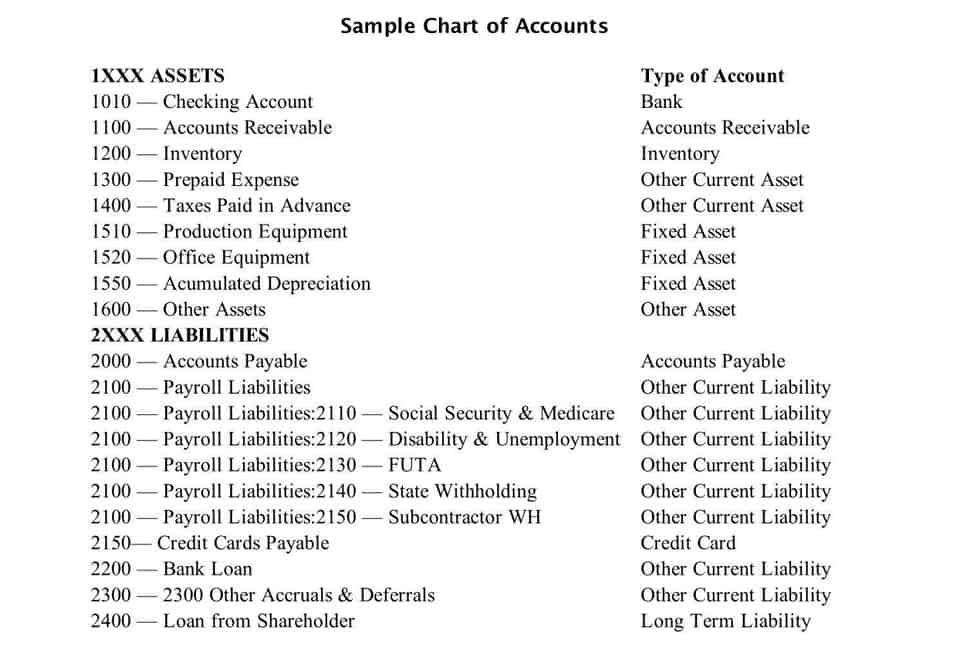
Notes Payable – A note payable is a long-term contract to borrow money from a creditor. Income is “realized” differently depending on the accounting method used. When accounting a business uses the Accrual basis accounting method, the revenue is counted as soon as an invoice is entered into the accounting system. Intangible assets are things that represent money or value, such as accounts receivables, patents, contracts, and certificates of deposit (CDs). Having a good understanding of the account types is necessary for anyone creating accounts, posting transactions and journal entries, or reading financial reports.

Contingent Liabilities

An employee who worked for the entire month of June will be paid in July. The accrued expenses from the employees’ services for December will be omitted if the company’s income statement at the end of the year recognizes only salary payments that have already been made. On a balance sheet, liabilities show a company’s financial obligations to its lenders and creditors due to past transactions. They occur on the right side of the balance sheet and are divided into current and long-term liabilities. These liabilities provide an overall view of a company’s financial commitments. A liability is a financial obligation a company owes to other are liabilities expenses parties.
Main Purposes of Financial Statements (Explained)
- Effectively managing and tracking expenses is crucial for financial stability and strategic decision-making.
- Once the utilities are used, the company owes the utility company.
- Our team is ready to learn about your business and guide you to the right solution.
- To make sure your business is on the right track, you should keep an eye on liabilities and assets.
- A company’s working capital is the difference between its current assets and current liabilities.
Understanding a company’s liabilities can also help assess its ability to meet debt obligations and the potential for future growth. Lease payments are a common type of other liability in accounting. These are the periodic payments made by a lessee (the business) to a lessor (property owner) for the right to use an asset, such as property, plant or equipment. In accounting terms, leases can be classified as either operating leases or finance leases. An operating lease is recorded as a rental expense, while a finance lease is treated as a long-term liability and an asset on the balance sheet. Taxes Payable refers to the taxes owed by a company to various tax authorities, such as federal, state, and local governments.
- These expenses include items such as wages, rent, utilities, and other expenditures necessary to keep the business running smoothly.
- Cash basis, revenues, or income is recognized at the time cash is received or collected.
- Expenses are costs incurred by a company in generating revenue, including salaries, rent, utilities, and marketing.
- Nonetheless, these items are ultimately included as part of capital.
- Now let’s draw our attention to the three types of Equity accounts, discussed below, that will meet the needs of many small businesses.
- In contrast, accrual basis, revenue, or income are recognized when risks and rewards are transferred from sellers to buyers.
Free Course: Understanding Financial Statements

Liabilities are a vital aspect of a company because they’re used to finance operations and pay for large expansions. They can also make transactions between businesses more efficient. A wine supplier typically doesn’t demand payment when it sells a case of wine to a restaurant and delivers the goods. Bookstime It invoices the restaurant for the purchase to streamline the drop-off and make paying easier for the restaurant. Managing expenses manually can be time-consuming and error-prone.